
Inline or quad skates? How beginners can pick for street skating
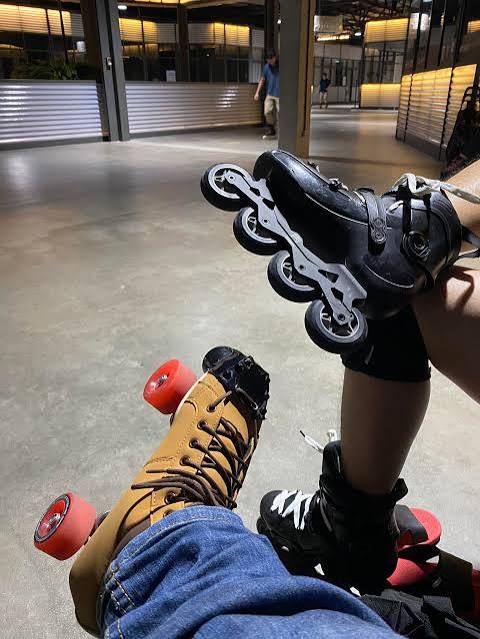
Every skater has asked this exact question at some point. This week on r/rollerblading, /u/suspicoussoups_77 put the classic debate out there: as a complete beginner, should your first pair be quad roller skates or inline blades? Their plan is mostly skating for fun and doing morning rides to uni on outdoor streets, with some tricks down the road. They already figured out they want softer outdoor wheels and plenty of padding. That is a great starting point and the exact right mindset for anyone picking up skating.
Where you skate matters more than what looks cool
Start with the ground under your wheels. On inline skates, the wheels sit in a single line and are usually bigger. They roll over cracks, small stones, and rough asphalt much easier, and they hold speed with way less effort, which is why so many commuters go with blades. For daily rides over real city pavement, inline skates usually make the trip a lot easier on your legs.
Quads put four wheels in a rectangle. That gives you a wider, more stable base when you are standing still, and it feels amazing for dancing, rinks, and flow sessions at the park. The smaller wheels do make you feel more of every bump on a rough road, though. Neither choice is wrong. It really just comes down to where you are going to spend most of your time rolling.
Wheels, fit and padding
Wheel hardness is measured with a number followed by an A. A lower number means a softer wheel with more grip and a smoother ride on rough streets. A harder wheel slides more and lasts longer on smooth floors. For a beginner skating outdoors, a softer wheel around that 80A mark the poster mentioned is a super smart place to start.
Fit comes next, especially if you have wide feet. Sizing and boot shapes vary a lot between brands, so try skates on before you buy if you possibly can. A skate that pinches will end your session faster than any fall. Then comes protection: a helmet, wrist guards, and knee and elbow pads. Beginners almost always fall forward onto their hands, so wrist guards are the number one thing people regret skipping. Good protective gear is what lets you keep practicing day after day without getting beat up, so wear it.
What about tricks?
“Tricks” can mean a lot of different things. Aggressive inline skates, with small wheels and space in the middle for grinds, are built for the skatepark and street spots, though they are slow and bumpy for commuting. Urban or freeskate inline skates, with medium-sized wheels, sit right in the middle: super comfortable for getting around town, and great for slalom, small jumps, and hopping down steps. On the quad side, park stalls, airs, and dance tricks open up fast once you feel steady on your feet.
Our biggest piece of advice is to pick the skate that fits your everyday rides, then spend your first few weeks drilling the fundamentals like stopping, turning, and falling safely. Nail the basics until they become second nature, and the fun stuff comes way faster than you think. At Blading Camp we coach inline and quad skaters side by side every single week, and we have seen time and again that all wheels roll together. If you ever want help taking those first steps, our camp weeks are open to all ages and skill levels, and we love working with beginners.
Big thanks to /u/suspicoussoups_77 for asking a question so many new skaters have. Read the original post and the community’s replies at r/rollerblading on Reddit.


Comments
No comments yet. Be the first to tell us what you think.