
Mastering Stops and Hills: Essential Skills for Beginner Bladers
The Foundation: Essential Stopping Techniques
Learning reliable stopping techniques is the cornerstone of safe and enjoyable inline skating. While many beginner skates come equipped with a heel brake, mastering its proper use is just the first step. The heel brake is excellent for controlled, gradual stops, especially when you’re first getting comfortable on wheels. Practice lifting your toe and pressing down firmly with your heel, keeping your weight slightly forward and knees bent.
The key to any stop is commitment and practice in a safe, open area, away from traffic or obstacles.
Once you’ve got the heel brake down, it’s time to expand your repertoire. The T-stop is an excellent next step, offering more control and adaptability than the heel brake alone. This involves dragging one skate perpendicular behind the other, forming a ‘T’ shape to create friction. Another crucial technique is the plow stop, sometimes called a snowplow stop, which is fantastic for slowing down quickly. Here, you push both heels out while keeping your toes pointed inward, creating a V-shape with your skates.
Conquering Hills: Control and Confidence
The fear of hills often stems directly from uncertainty about stopping. However, with the right techniques, even gentle slopes can become enjoyable. Mastering speed control on descents transforms daunting hills into exciting challenges. Before tackling any significant incline, ensure you’re proficient with at least two stopping methods.
When approaching a hill, consider these strategies:
- Carving: Similar to skiing, carving involves making wide S-turns across the slope. This technique naturally dissipates speed, allowing you to maintain control without relying solely on your brakes.
- Parallel Turn: For more advanced skaters, executing parallel turns can effectively control speed and navigate descents. This involves turning both skates in the same direction, using the edges to slow down.
- Pre-emptive Stopping: If a hill looks too steep or you’re unsure, it’s always better to walk down or find an alternative route. Your safety is paramount.
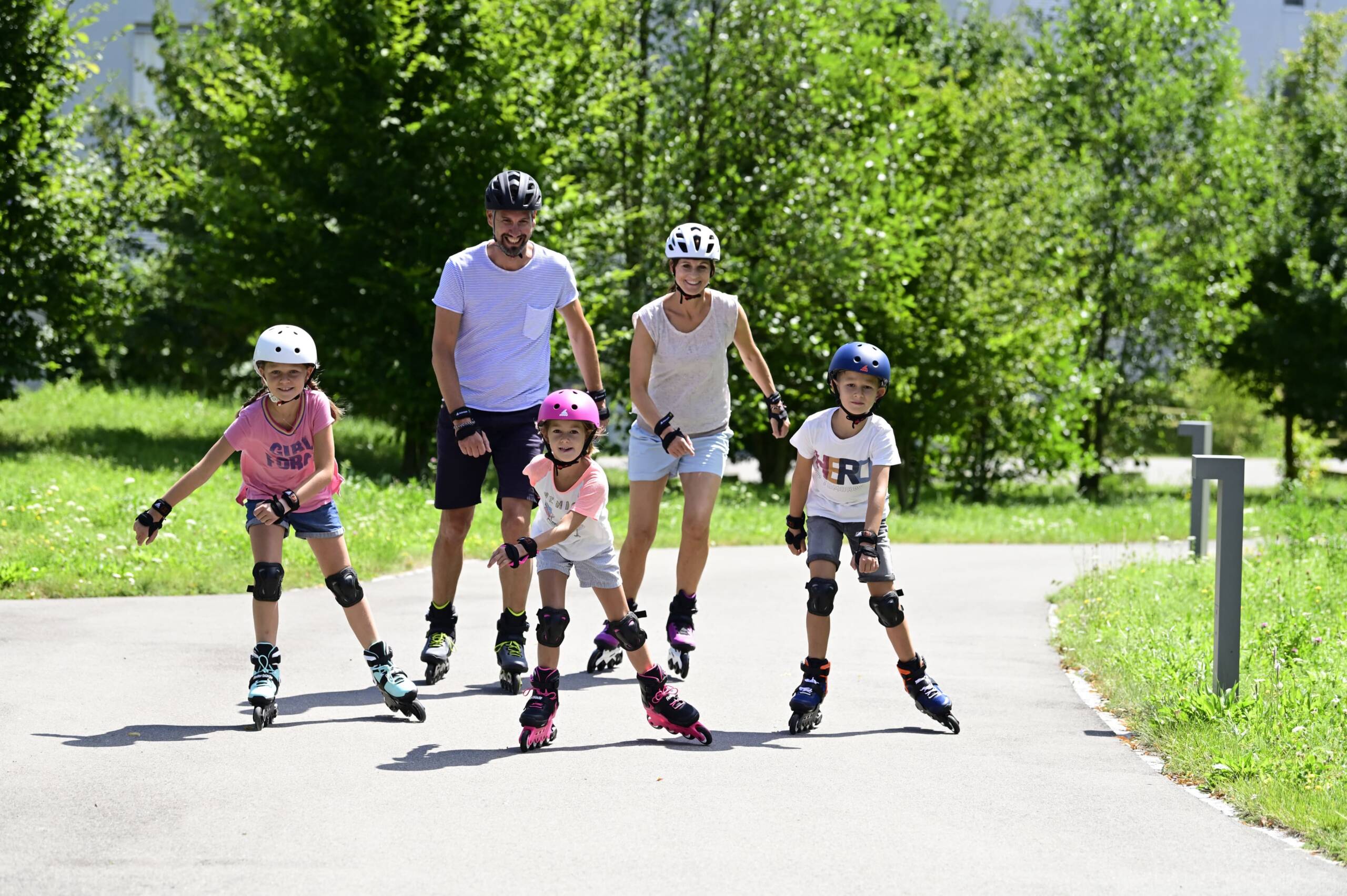
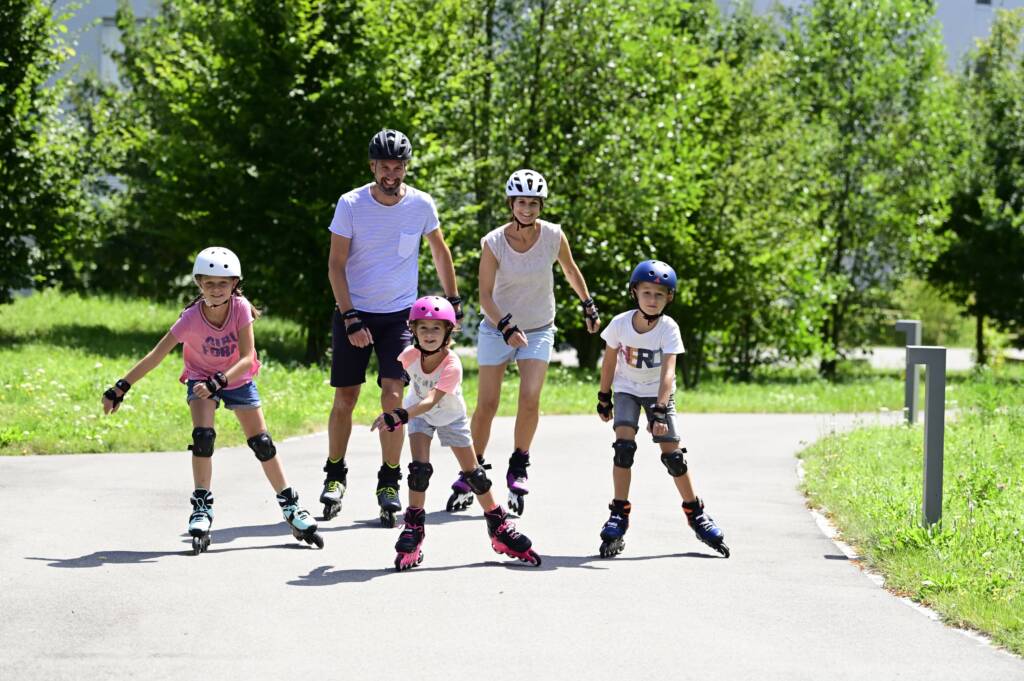
Always wear appropriate protective gear, including a helmet, knee pads, wrist guards, and elbow pads, especially when practicing new skills or tackling hills. Confidence comes from preparation and knowing you’re protected.
Practice Makes Perfect (and Safe!)
Like any skill, mastering stopping and hill control requires consistent, dedicated practice. Start in a controlled environment, such as a gentle, empty parking lot or a smooth, quiet path with slight inclines. Gradually increase the challenge as your confidence and skill grow. Consistent practice in controlled environments builds muscle memory and boosts confidence.
For those looking for structured learning, our camps & dates offer expert coaching in a supportive environment, and our coaches are always ready to share their knowledge and tips. After all we’ve been the world’s leading skate school for the previous 11 years now!
Read the full report at reddit.


Comments
No comments yet. Be the first to tell us what you think.