
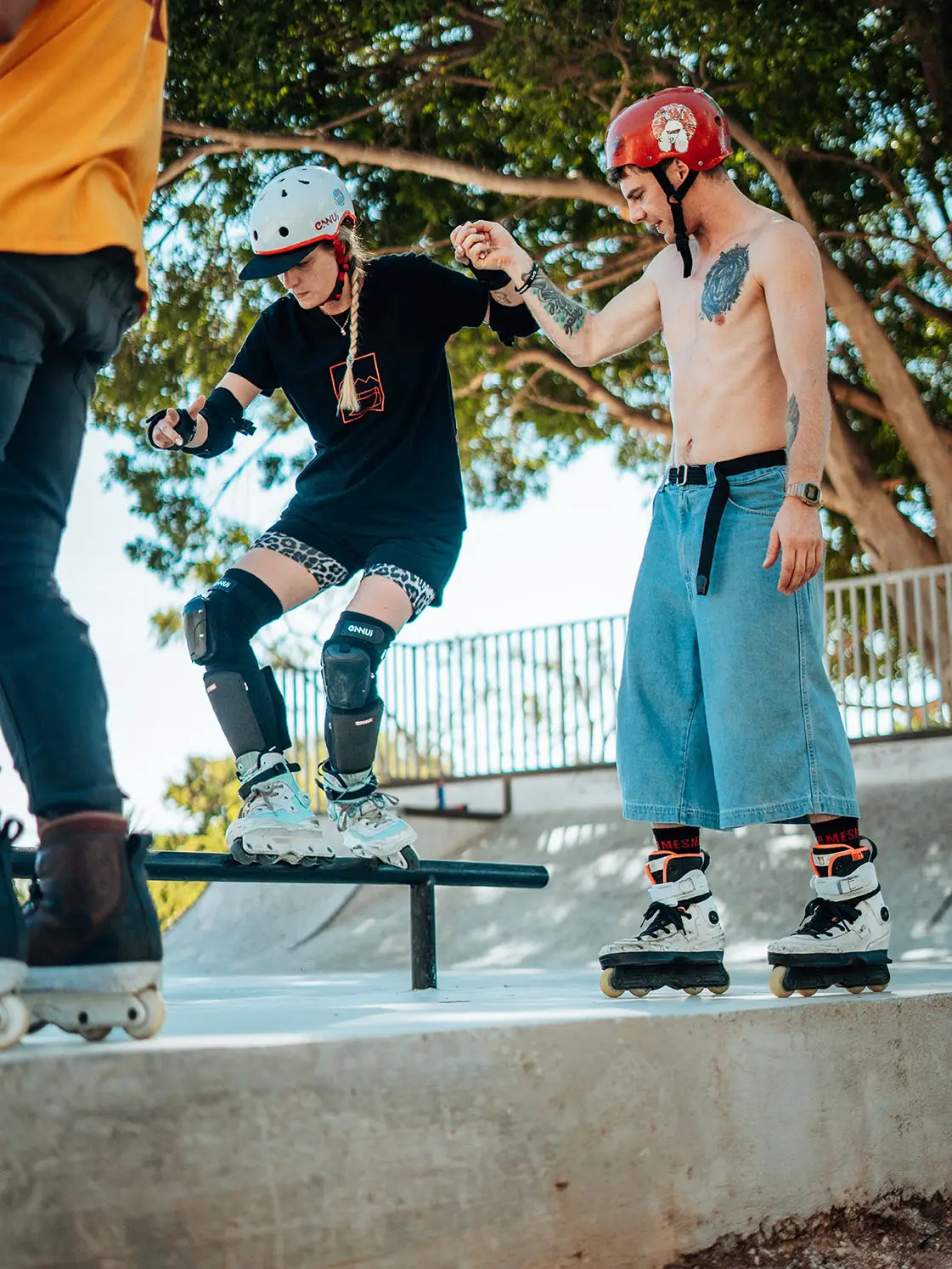
Navigating Knee Pain: Tips for New and Older Rollerbladers
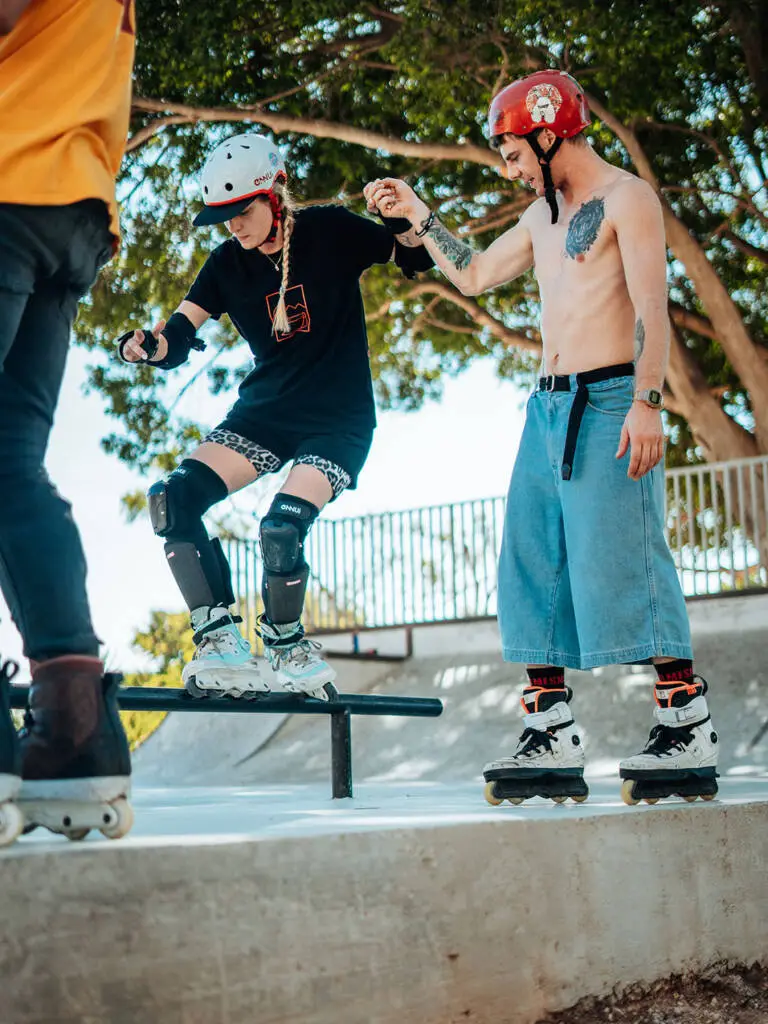
It’s natural to wonder if this kind of pain is normal and whether to push through it or take a break. Understanding the root causes and how to respond can make all the difference in enjoying your skating journey.
Why Your Knees Might Be Hurting
When you rollerblade, you’re not just walking; you’re engaging a whole new set of muscles and stabilizers, particularly around your hips, glutes, and core, which directly impact knee function. The Reddit user’s observation about activating muscles differently is spot on. Skating requires constant lateral movement, balance, and a slightly bent-knee posture, which can strain muscles not regularly used in this manner. This can lead to what’s often referred to as ‘new muscle pain’ or delayed onset muscle soreness (DOMS).
Additionally, if your proper technique isn’t fully developed yet, you might be putting extra stress on your knees. For instance, if you’re not bending enough at the ankles and hips, or if your knees are caving inward, it can create unhealthy angles and pressure points. Consulting with our expert coaches can significantly help refine your form and reduce strain!!
When to Rest and When to Roll On
This is perhaps the most crucial question for any new athlete. The key is to listen to your body. If you’re experiencing mild muscle soreness that feels like a good workout, it’s often a sign your body is adapting. In such cases, light stretching, warm-ups, and cool-downs can be beneficial, and continuing with gentle skating might even help. However, if the pain is sharp, persistent, or localized to a specific joint, it’s a clear signal to take time off.
Ignoring sharp, persistent pain can lead to injury. Rest days are essential for muscle recovery and strengthening. You might find that taking a day or two off completely, or engaging in light cross-training, allows your body to heal and come back stronger. Don’t hesitate to check our FAQ for more common questions about beginner challenges.
Proactive Steps for Knee Comfort
- Warm-Up and Cool-Down: Always start with dynamic stretches before skating and finish with static stretches afterward to improve flexibility and prepare your muscles.
- Strengthening Exercises: Incorporate off-skate strengthening exercises focusing on your quads, hamstrings, glutes, and core. Lunges, squats, and planks are excellent for building stability around the knees.
- Proper Fit: Ensure your skates are well-fitting skates and offer adequate support. Loose or ill-fitting skates can contribute to poor form and increased knee strain.
- Patience and Progression: Don’t try to do too much too soon. Gradually increase your skating duration and intensity.
Remember, the goal is to enjoy rollerblading for years to come. Taking care of your body, especially your knees, is paramount. If pain persists or worsens, always consult a medical professional.
Read the full report at reddit /r/Rollerblading.
Who they are
- Rollerblade · @rollerblade · 188,792 followers — Rollerblade® – the original inline skate brand
The world in motion through skating
#rollerblade #movefreely